Comparison Between the Approaches
| Parameter | Natural Treatments | Medical Treatments |
|---|
| Effectiveness | Limited, mainly preventive | High, clinically proven |
| Time to Results | Very long | Initial results after 2–3 months |
| Safety | High | High when performed by a qualified physician |
| Cost | Low | Higher, depending on treatment series |
Combining Both Approaches
In practice, combining natural treatments with PRP or other medical therapies can be effective:
• Proper nutrition and supplements help strengthen hair from within
• Scalp massage improves blood circulation
• PRP treatments strengthen follicles and improve hair density
A personalized combined approach designed by an experienced physician can deliver the best results.
How Many PRP Treatments Are Needed to See Results?
PRP, PRGF, CGF, and iPRF treatments have become a proven medical response to hair loss in recent years. One of the most common questions is: how many treatments are actually needed to see significant results? In this section, we review recommended frequency, how the treatment is performed, and what affects the final outcome.
What Determines the Number of Treatments?
The number of PRP treatments depends on several factors:
Severity of hair loss: In early stages, 3–4 treatments may be sufficient; in advanced cases or near a hair transplant, around 5 treatments may be required.
Scalp and follicle condition: Fine hair or weak follicles require more treatments.
Patient age: Younger patients usually respond faster; older patients may need additional sessions.
Additional factors: Nutrition, stress, medications, or chronic conditions can affect the pace of improvement.
How Is a Treatment Series Performed?
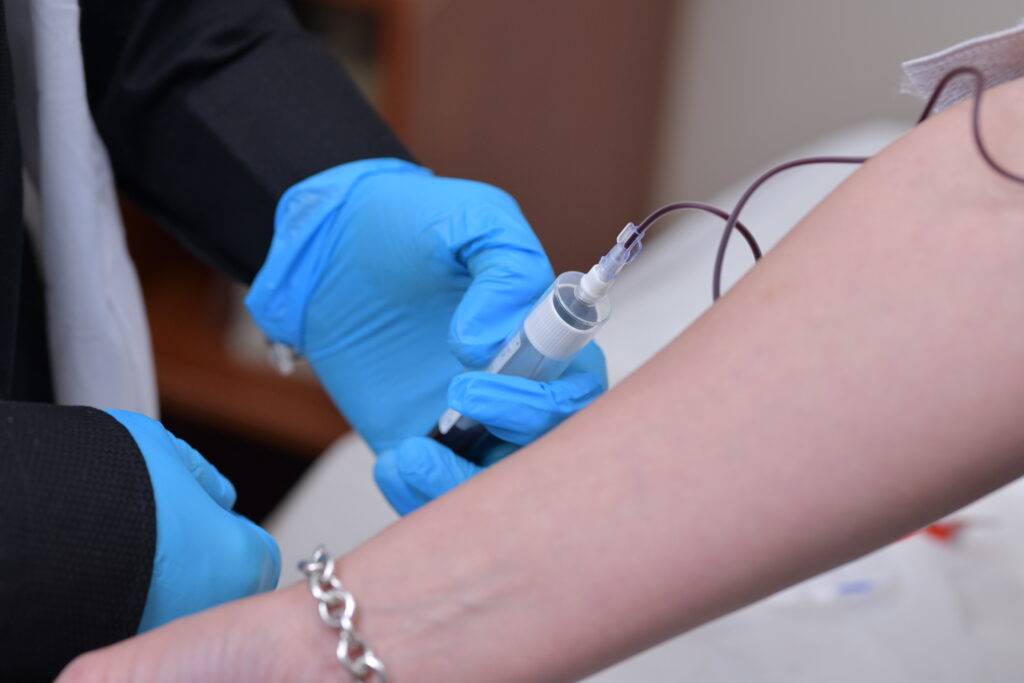
Treatment initiation: Blood is drawn from the patient and the plasma is separated.
Scalp injections: Administered to areas with thinning or active shedding.
Repetition: Every 4–6 weeks, according to the physician’s recommendation.
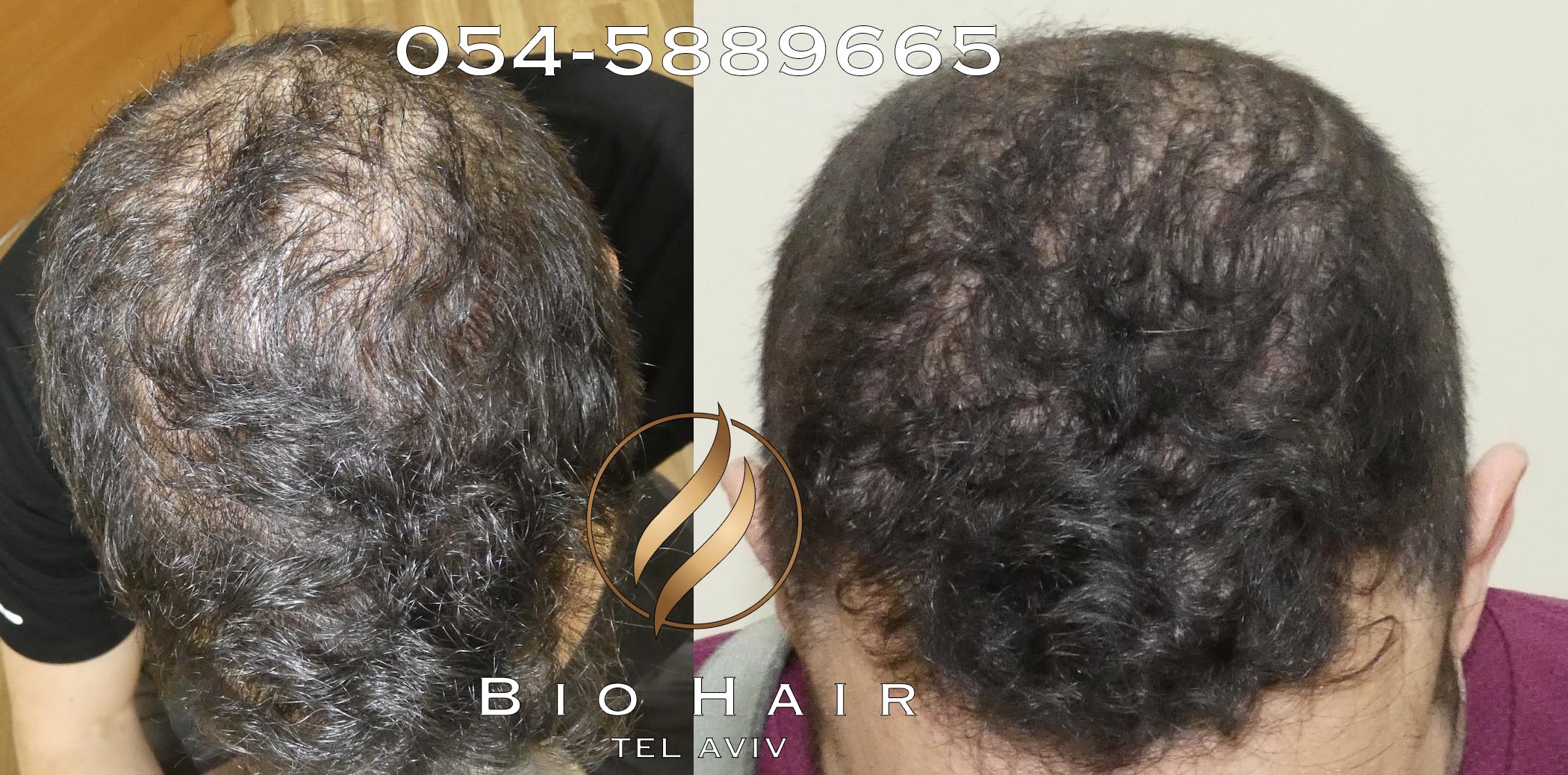
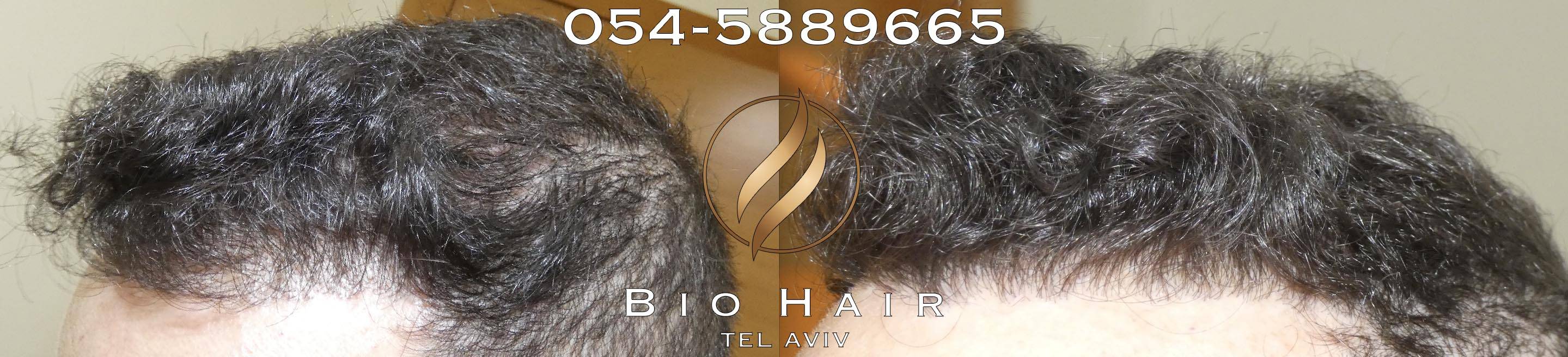
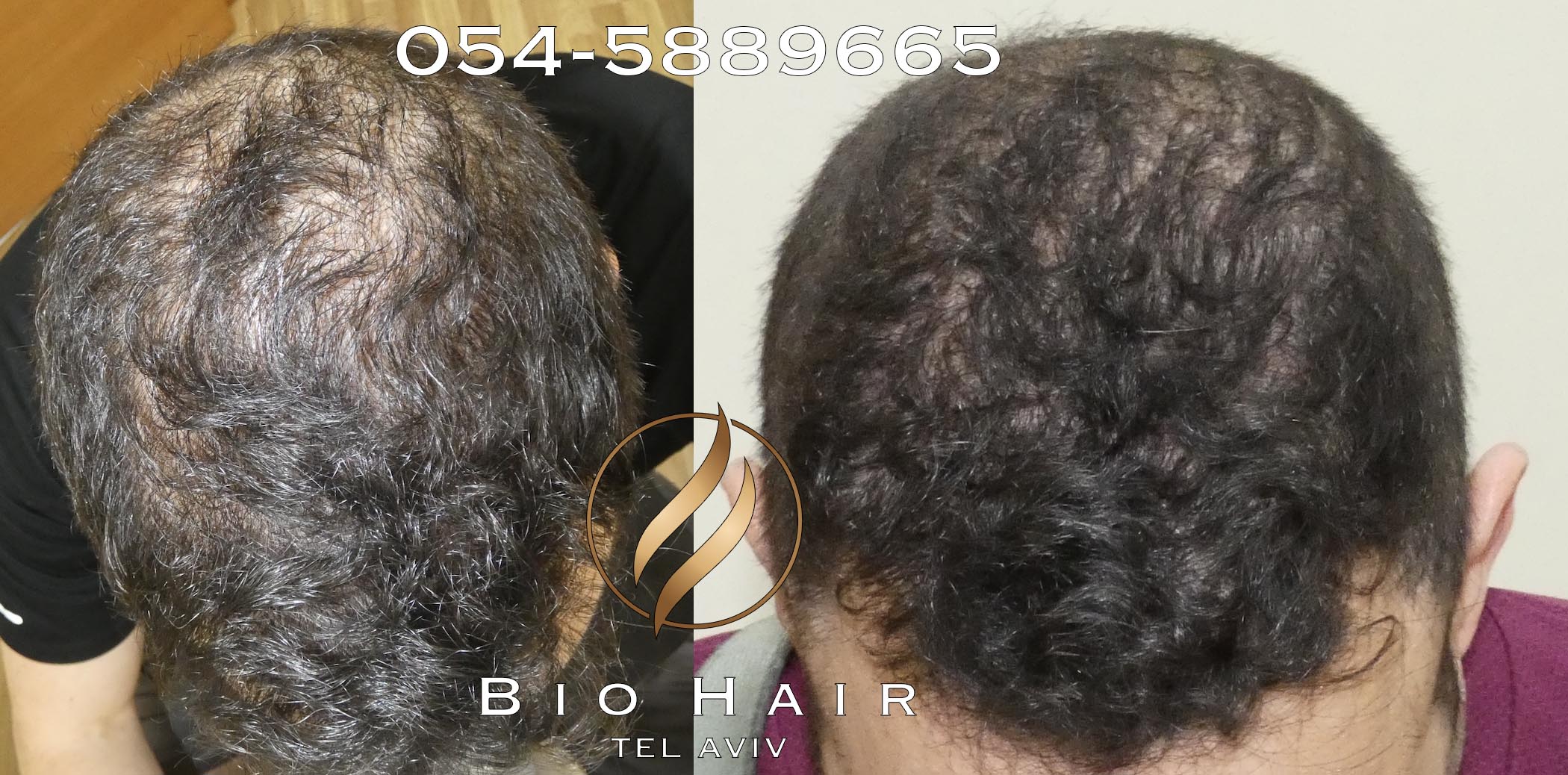
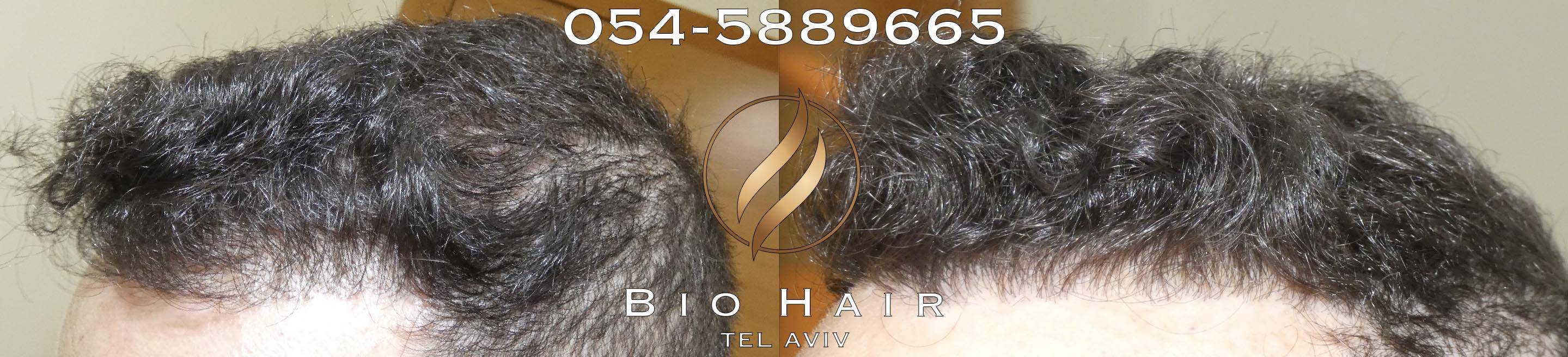
Typically, a series of 3–6 treatments provides the initial results: stronger hair, reduced shedding, and sometimes new follicle growth.
Maintenance After the Initial Series
After completing the initial treatment series, many patients require maintenance sessions every 3–6 months to preserve existing hair and prevent renewed shedding.
Combining with Complementary Treatments
To maximize the effect of PRP treatment series, it is possible to combine:
• Mesotherapy: Additional active ingredients to stimulate growth
• Exosomes: Help regenerate follicles at the cellular level
• Minoxidil and Propecia: Medications that slow hair loss and strengthen existing follicles
A personalized combination designed by a skilled physician delivers the best outcomes.
Expected Results and Scientific Explanation
PRP results vary among patients, but studies show that:
• Strengthening of weak hair typically begins after about two months
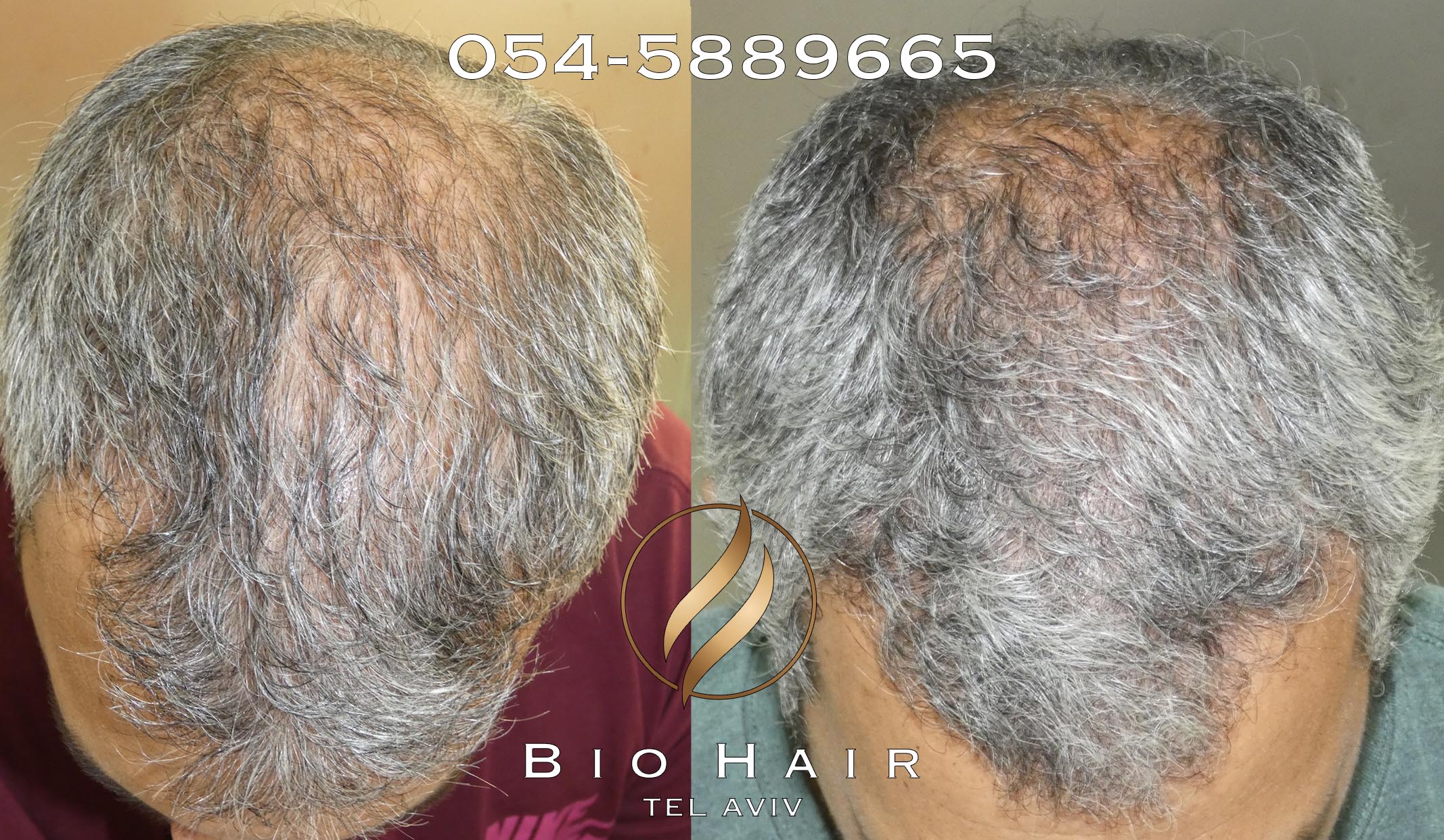
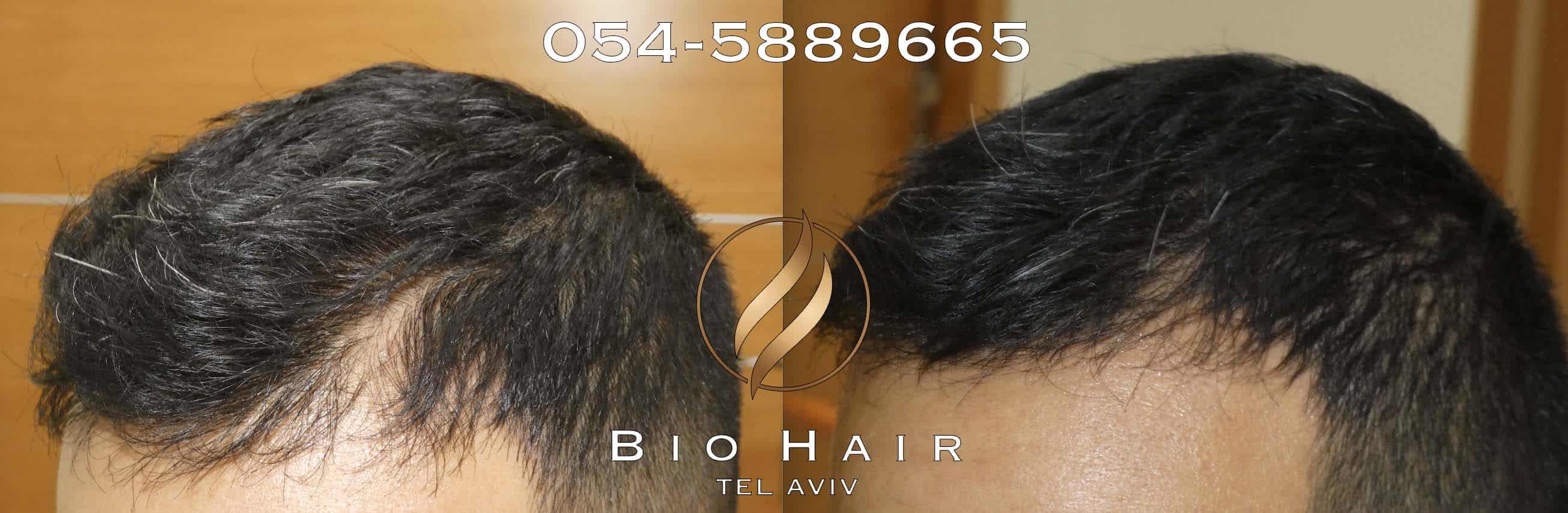
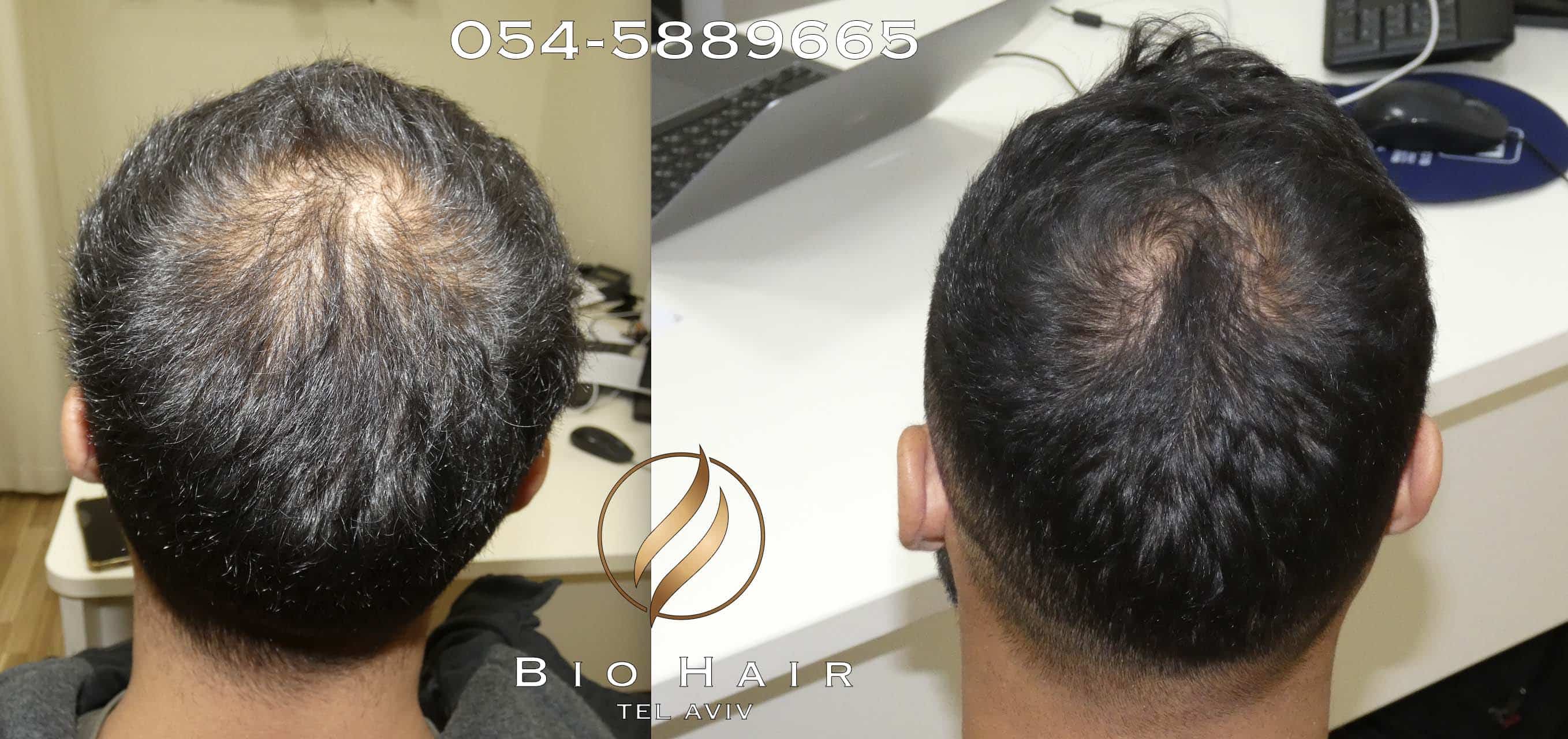
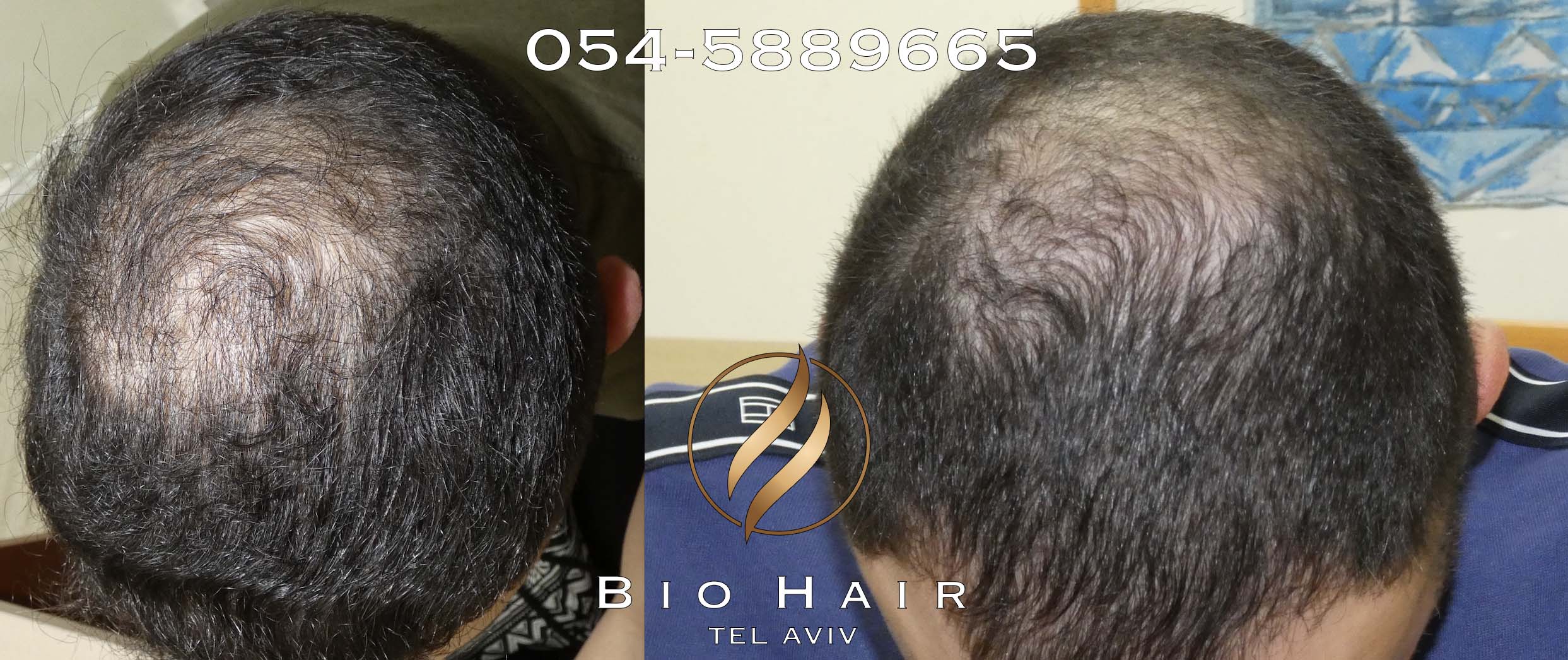
• Improvement in hair density is observed after a series of 3–4 treatments
• Combining complementary therapies increases success rates and helps maintain long-term resultRecent Studies Demonstrating Scientific Evidence for Hair Strengthening and Growth Following Medical Treatments
In recent years, several significant studies in the field of medical hair treatments have shown that platelet-rich plasma (PRP) and other medical adjuncts can improve hair density, strengthen follicles, and reduce shedding:
Systematic Review & Meta-Analysis of PRP Treatments for Alopecia:
A systematic review of 43 clinical trials showed that PRP treatments increased hair density and reduced shedding compared to placebo, alongside improved patient satisfaction.
Meta-Analysis on PRP in Androgenetic Alopecia:
Another quantitative study found that PRP treatments led to a significant increase in hair density compared to control groups, with clear results after a treatment series.
Controlled Trial of PRP vs. Placebo:
A controlled clinical trial demonstrated that after three monthly PRP treatments, hair density increased by approximately 45.9 hairs/cm² compared to baseline, with no significant side effects.
Summary
• Natural treatments can be a good supplement but are insufficient to stop significant hair loss.
• PRP, PRGF, CGF, iPRF, mesotherapy, and exosomes are proven medical solutions that strengthen follicles and reduce shedding.
• A proper combination of approaches achieves optimal results.

 Conclusion: Natural treatments can serve as complementary therapies, but they do not address the primary cause of hair loss.